



Remote Patient Monitoring Best Practices That Improve Outcomes & Reduce Costs




Author
As CEO and Founder of Kangaroohealth, Dr. Kang is a healthcare innovator with nearly two decades of experience in healthcare and 20+ national and international awards. She received her PhD and medical training from Johns Hopkins University.Dr. Kang, CEO and Founder of Kangaroohealth, is a healthcare innovator with nearly two decades of experience. She has received over 20 national and international awards. Dr. Kang completed her PhD and medical training at Johns Hopkins University.


Many RPM programs launch quickly, then stall by the third month. If you audit these programs, you’ll find that the bottlenecks are almost always alert fatigue, staffing gaps, billing problems, and other avoidable workflow design issues. Therefore, the solution is to commit to remote patient monitoring best practices from day one. This post explores what these best practices are and how to implement them.
Why Remote Patient Monitoring Programs Succeed or Fail
We’ve found that Remote Patient Monitoring (RPM) programs fail mainly because the underlying systems and workflows aren’t designed for the demands of continuous, high-touch care.
Specifically, your program will likely succeed or fail because of the following key reasons:
- Alert fatigue: One of the benefits of RPM is the continuous stream of data that flows into your platform from remote monitoring of vitals. To ensure success, include alert thresholds for the incoming data. It helps filter out minor fluctuations that may flood your team with notifications.
- Unclear clinical ownership: Your team must review incoming data and reach out to patients when necessary. To succeed and prevent key tasks from falling through the cracks, assign a dedicated caregiver for each patient to monitor alerts and escalate critical cases.
- Underdocumented billing: For your RPM program to be financially viable, you need systems that enable you to be reimbursed for all qualifying services. To succeed, use automated time-tracking systems to ensure accurate billing.
- Weak patient onboarding: The onboarding process influences your patients’ engagement and adherence. To increase the chances of success, provide adequate patient training during the onboarding process that explains the ‘why’ behind the program and how to use the RPM platform and devices.
The Hidden Cost of a Stalled RPM Program
Beyond the missed interventions, lost revenue, and low patient engagement, failing to address the above factors also comes with the following costs:
- Your patients might churn because of losing faith in your practice’s ability to meet their unique needs.
- Staff burnout is likely, as your team has to reboot old workflows while also keeping the RPM program afloat.
- Compliance risk rises if the program stalls and your team unintentionally bills with incomplete documentation.
Therefore, when implementing an RPM program, you must do it right the first time. This is where an implementation partner like KangarooHealth comes in.
We help build sustainable RPM programs by offering a patient-centered implementation that addresses the unique needs of your patient population and organization. Our turn-key implementation includes device procurement and distribution, staff and patient training, and ongoing support to cement RPM best practices.
Schedule your free demo of our all-in-one connected care platform to see how we support 50+ chronic conditions with customizable care pathways.
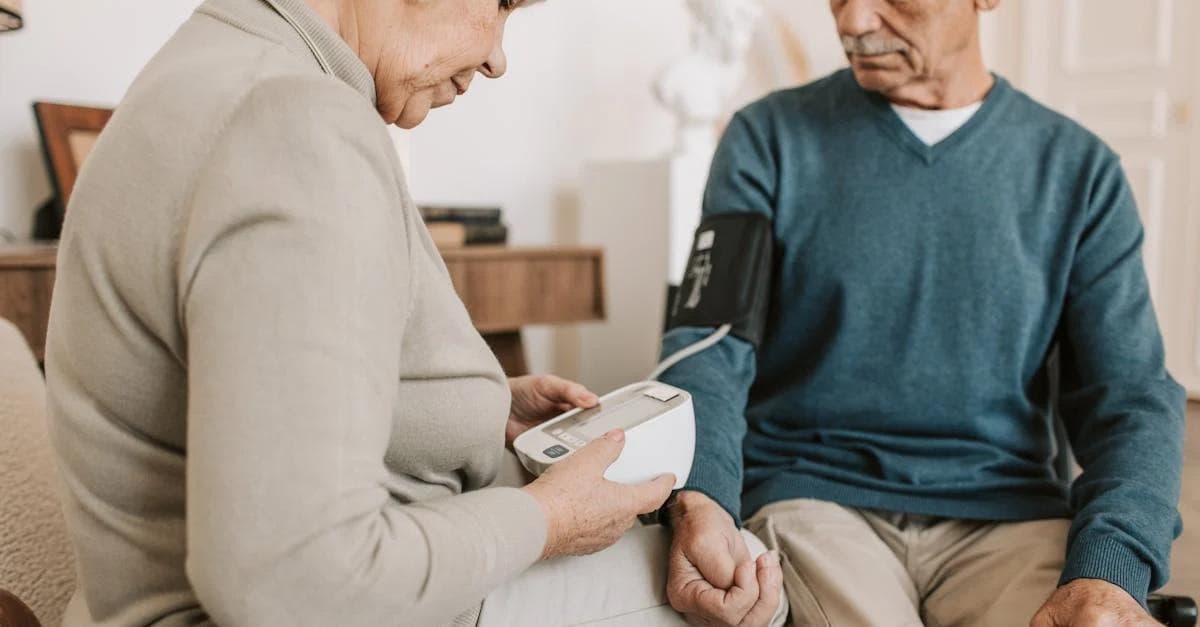
Core Best Practices for a Successful RPM Program
To increase the chances that your RPM program succeeds, the implementation strategy must prioritize compliance, patient-centeredness, scalability, and operational sustainability.
Let’s explore some of the best practices that make a successful RPM program.
Patient Selection Tied to Clinical Necessity
RPM primarily involves continuous remote monitoring of vitals. You must only enroll patients if you expect that continuous physiological monitoring will improve the management of their condition.
Examples of chronic conditions where such monitoring is a clinical necessity include:
- Diabetes
- Hypertension
- Congestive Heart Failure (CHF)
- Chronic Obstructive Pulmonary Disease (COPD)
RPM can also be medically necessary in post-acute recovery cases.
Device Choice That Matches Patient Reality
Your device selection should reflect the realities of your patient population.
Since most RPM beneficiaries are Medicare populations, you want senior-friendly remote patient monitoring devices. Also, if you serve a rural population where connectivity can be an issue, consider using cellular-enabled devices that don’t require patient-provided internet to transmit data.
Tiered Alert Design That Prevents Fatigue
As you scale an RPM program, alert management can be one of the most significant operational challenges if it is not designed properly.
To prevent excessive notifications that create alert fatigue and make it harder to identify true clinical emergencies, establish a tiered alert system that prioritizes out-of-range readings by severity. It will enable your team to focus on the most critical cases first.
Documentation That Keeps Billing Audit-Ready
You want to always have billing- and audit-ready documentation to ensure the RPM program remains financially sustainable.
Consider the following for accurate and compliant documentation:
- Automated time tracking: Use an RPM platform that automatically logs all relevant minutes to satisfy the 20-minute monthly requirement.
- The 16-day rule: To bill for CPT 99454, the patient must have met the CMS 16-day transmission requirement. Have your system automatically flag the patients that meet this criteria for billing.
Compliance With CMS and HIPAA Standards
You must prioritize regulatory compliance to ensure the program doesn’t stall. Your RPM workflows must align with CMS billing requirements while also protecting patient data in accordance with HIPAA.
- CMS alignment: To be compliant, your RPM program must provide the three essential service components, which are setup, device supply, and treatment management.
- HIPAA standards: You’ll be handling sensitive patient data, including physiological readings and trends. You must protect this data from unauthorized access or disclosure by having internal security controls and using a HIPAA-compliant platform.
Long-Term Patient Engagement Beyond Onboarding
One reason your RPM program might stall around the third month is that your patients feel like they are sending data, but no one is analyzing it.
Here are some strategies to avoid this scenario:
- Bi-directional communication: Have a platform for two-way communication with your patients. Give feedback on the data you receive, and send medication reminders and monthly progress reports.
- Expanding the value proposition: You want to reinforce the value of RPM to the patient continually. Additionally, for your comorbid patients that qualify, combining RPM and CCM can expand the value proposition by enhancing care continuity and care coordination.
How to Roll Out RPM Best Practices [Step-by-Step]
You should implement RPM in a structured manner to avoid operational bottlenecks that could stall your program.
Here is the sequence of activities that will ensure you have a strong foundation:
- Define program goals and KPIs: Set clear clinical, financial, and operational goals. Some KPIs to consider include patient adherence rates, alert response times, readmission rates, and revenue from reimbursements.
- Build the care team and assign roles: You want to clearly define roles to prevent workflow breakdowns. Some key roles that should have clear ownership include device setup, alert monitoring, escalation management, and documentation.
- Pick devices and the clinical platform: Pick FDA-approved/cleared devices that your patient population can easily use. Also, pick a clinical platform that integrates seamlessly with your existing EHR. Ensure it includes built-in time-tracking features.
- Pilot with a small patient cohort: Before fully rolling out the program, stress-test it with a small cohort of your highly engaged patients. You can use this period to iron out issues with onboarding, alerts, escalations, and patient engagement.
- Scale with documented workflows: Based on the pilot results, finalize the right workflow templates, data review protocols, and escalation paths. You can then scale the program by onboarding the remaining qualifying patients.
How KangarooHealth Improves Remote Patient Monitoring Outcomes
Given that designing and implementing the above RPM workflows in-house can be challenging, you should consider working with a technology partner that handles the bulk of the implementation, monitoring, and patient engagement workload.
At KangarooHealth, we help healthcare organizations implement remote patient care with a robust connected care platform and the largest library of FDA-approved/cleared devices.
We also offer the following to ensure RPM programs are sustainable:
- Patient-centered implementation with adequate training and devices that fit seamlessly into patients’ lives to prevent device abandonment.
- A tiered alert system with tailored escalation protocols to help prevent alert fatigue while enabling timely interventions when necessary.
- Automated time tracking so you always have the documentation for accurate billing.
- Seamless integration with your EHR to reduce double-entry work.
- White-labeled clinical support services with multilingual US-based clinicians, so you don’t have to hire new staff to implement RPM. The staffing ratio is above standard, with one nurse monitoring 125-150 patients only.
Besides RPM, our platform also supports other reimbursable programs, including Chronic Care Management (CCM).
Contact us today to chat with our expert about real-world RPM outcomes and reimbursement insights.
Common Mistakes to Avoid in RPM Programs
Many of the challenges you’ll face while running RPM programs come from preventable compliance and workflow design issues. Let’s explore some of the common mistakes you should avoid:
- Patients enrolled without clinical fit: There’s a risk of overenrollment where you onboard patients who are already well-managed and stable. It can strain your monitoring resources without yielding clinical gains. Consider using a clinical necessity checklist at referral to ensure clinical fit.
- Alert thresholds set too aggressively: In an attempt to cover all significant out-of-range readings, you may set alert thresholds too low. Your team will end up receiving low-priority alerts that don’t require interventions, resulting in staff burnout and missed real events. To fix this, use personalized baselines during onboarding.
- Documentation gaps that block reimbursement: If you don’t streamline the documentation process, you’ll encounter missing time logs, incomplete treatment management notes, and gaps in documenting the three service components. The best cure for this is using an RPM platform that automates documentation capture.

Frequently Asked Questions (FAQs)
Before closing, here are the questions providers most often ask when reviewing their remote patient monitoring program against these best practices.
How Much Does Remote Patient Monitoring Cost Per Patient?
The cost will depend on how you design the program and whether you build all the workflows in-house or partner with a technology vendor. Generally, the key cost centers are monitoring devices, clinical staffing, software costs, and billing operations.
That said, the program is reimbursable, and KangarooHealth offers a turnkey implementation with no upfront costs.
What Are the Most Popular RPM Platforms in Healthcare?
KangarooHealth is one of the most popular RPM platforms nationwide because it is built with flexibility in mind. While many platforms lock you into their device ecosystem, our device-agnostic approach lets your patients use the devices that fit into their lives most seamlessly.
What Patient Conditions Benefit Most From RPM?
Conditions that benefit the most from RPM include:
- Diabetes
- Hypertension
- Congestive Heart Failure (CHF)
- Chronic Obstructive Pulmonary Disease (COPD)
What Devices Are Covered Under Medicare for RPM?
FDA-approved/cleared devices that electronically transmit physiological data are generally covered under Medicare. The commonly covered devices include:
- Blood pressure cuffs
- Glucometers
- Pulse oximeters
- Smart weight scales
- Cardiac monitoring devices
Conclusion
We’ve explored the best practices you need to protect the viability of your RPM program. Nonetheless, because the program is a long-term endeavor, you must treat these practices as operational disciplines and not a one-time checklist.
For this reason, you also need an implementation partner that has a long-term view. At KangarooHealth, we provide the ongoing support you need to run an RPM program successfully.
Also, aside from the robust RPM platform we offer, we handle device procurement and setup, as well as clinical monitoring, so you can focus on the patients who need you the most.
Schedule your free demo to see how we can transform care delivery in your healthcare organization.

Dr. Xiaoxu Kang
AuthorAs CEO and Founder of Kangaroohealth, Dr. Kang is a healthcare innovator with nearly two decades of experience in healthcare and 20+ national and international awards. She received her PhD and medical training from Johns Hopkins University.Dr. Kang, CEO and Founder of Kangaroohealth, is a healthcare innovator with nearly two decades of experience. She has received over 20 national and international awards. Dr. Kang completed her PhD and medical training at Johns Hopkins University.
Other articles you might find interesting

Benefits of Care Coordination for Patients, Providers, and Healthcare Organizations

How to Improve Care Coordination [Examples Included]
Value-Based Care Trends in 2026: AI, RPM, CCM, and Connected Care