RTM vs. RPM Explained: Which is the Right Monitoring Model for Patient Care?




Author
As CEO and Founder of Kangaroohealth, Dr. Kang is a healthcare innovator with nearly two decades of experience in healthcare and 20+ national and international awards. She received her PhD and medical training from Johns Hopkins University.Dr. Kang, CEO and Founder of Kangaroohealth, is a healthcare innovator with nearly two decades of experience. She has received over 20 national and international awards. Dr. Kang completed her PhD and medical training at Johns Hopkins University.


Remote care models enhance the way providers deliver and manage patient care, but choosing the right one isn’t always straightforward.
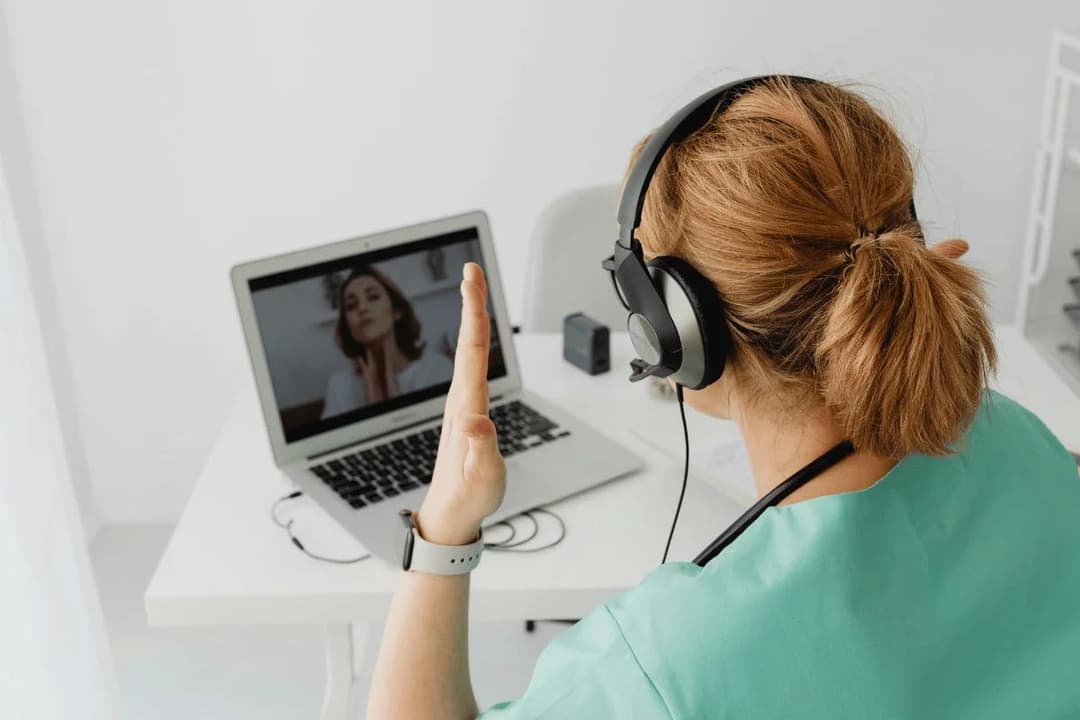
You can use RPM and/or RTM to provide clinical support and track patients’ data remotely.
However, because the two models differ in clinical focus, types of data collected, and the technology requirements, you must weigh them carefully to choose the right one for you.
This article will help you navigate the nuances of RTM vs RPM so you can determine which program is best for your practice and patients.
TL;DR - RTM vs. RPM
Here’s a quick snapshot of the pros, cons, and best use cases of RTM and RPM:
| Column 1 | Column 2 | Column 3 |
|---|---|---|
RTM | RPM | |
Remote Therapeutic Monitoring (RTM) is a care model designed to track patients’ non-physiological data and their response to treatment or therapy. | Remote Patient Monitoring (RPM) is a care model designed to track chronic patients’ physiological data to monitor their current health status. | |
Pros | Pros | |
Helps effectively optimize therapy remotely. | Helps extend chronic care delivery beyond the clinic. | |
Encourages strong patient engagement and adherence. | Helps detect clinical deterioration early, reducing hospitalizations. | |
It is generally simpler to execute operationally. | Standardizing protocols makes it easier to scale to large patient populations. | |
Cons | Cons | |
Personalization of therapy makes scaling complicated in large health systems. | Procurement of connected devices increases implementation overhead. | |
Self-reporting of data means interventions aren’t immediate. | Is heavily protocol-dependent, reducing opportunities for personalization. | |
Heavily dependent on the patients’ participation, which can be highly variable. | There’s a risk of alert fatigue if it is not designed properly. | |
Best For | Best For | |
Best for physical and occupational therapists and other providers looking to monitor non-physiological data. | Best for providers offering chronic care to patients with diabetes, hypertension, COPD, etc., where physiological data monitoring is required. |
What is Remote Therapeutic Monitoring (RTM)?
Remote Therapeutic Monitoring (RTM) is a telehealth program introduced by CMS that enables healthcare providers to remotely monitor non-physiological patient data using digital tools.
Providers can track data such as medication adherence, musculoskeletal activity, respiratory system status, and subjective patient-reported data (e.g., pain levels).
Core Objectives of RTM
The objective of RTM is to improve clinical outcomes by:
- Supporting behavior change.
- Helping patients adhere to therapy plans.
- Providing a reliable way for providers to track non-physiological data.
RTM can help you ensure that your patients actually engage in physical activity, take their respiratory medications, or take any other actions you prescribe.
How Does Remote Therapeutic Monitoring Work?
RTM requires coordination between the provider and the patient, supported by technology. You’ll need a software platform with RTM workflows to run the program effectively.
Here are the required steps and actions to make the program work:
- Enroll patients in the program and create accounts for each patient in the app.
- Digitally capture data with a sensor and/or have the patients self-report the data.
- Transmit the data to your portal and review it.
- Make adjustments to the therapy plan where applicable or clinically intervene when there’s no progress.
- Bill for monitoring time.
Where RTM is Commonly Used
Physical therapists and occupational therapists are the main users of RTM, with a focus on musculoskeletal (MCSK) and respiratory conditions.
Common MCSK issues include mobility limitations, chronic joint pain, and post-operative rehab. In such cases, you can use RTM to track activity adherence, pain levels, range of motion, etc.
In respiratory care, RTM is commonly used to support patients with chronic respiratory disorders, such as COPD, and to monitor respiratory status in recovering patients. In such cases, you can use RTM to track inhaler use, weekly spirometer readings, and more.
How to Choose the Best Remote Therapeutic Software
When choosing an RTM software, you want a platform that’s optimized for clinical operational efficiency and patient experience.
Here are the key factors to keep in mind:
- Usability: An intuitive platform is essential for patient engagement. If engagement or reporting becomes a hurdle, you risk losing the data necessary for RTM reimbursement.
- Engagement features: You want a platform featuring nudges, reminders, feedback loops, and similar capabilities to ensure high participation rates.
- Clinical workflows: The best platforms are non-disruptive. It should be customizable to work with your established clinical workflows.
- Automated documentation: The platform should automatically capture documentation as your team completes clinical tasks. It ensures you are always billing- and audit-ready.

What is Remote Patient Monitoring (RPM)?
Remote Patient Monitoring (RPM) is a care delivery model that leverages technology to capture and transmit physiological patient data remotely. With RPM, you’ll have a continuous stream of data to deliver highly responsive, proactive care to your chronic patients.
The model leverages both hardware and software tools as follows:
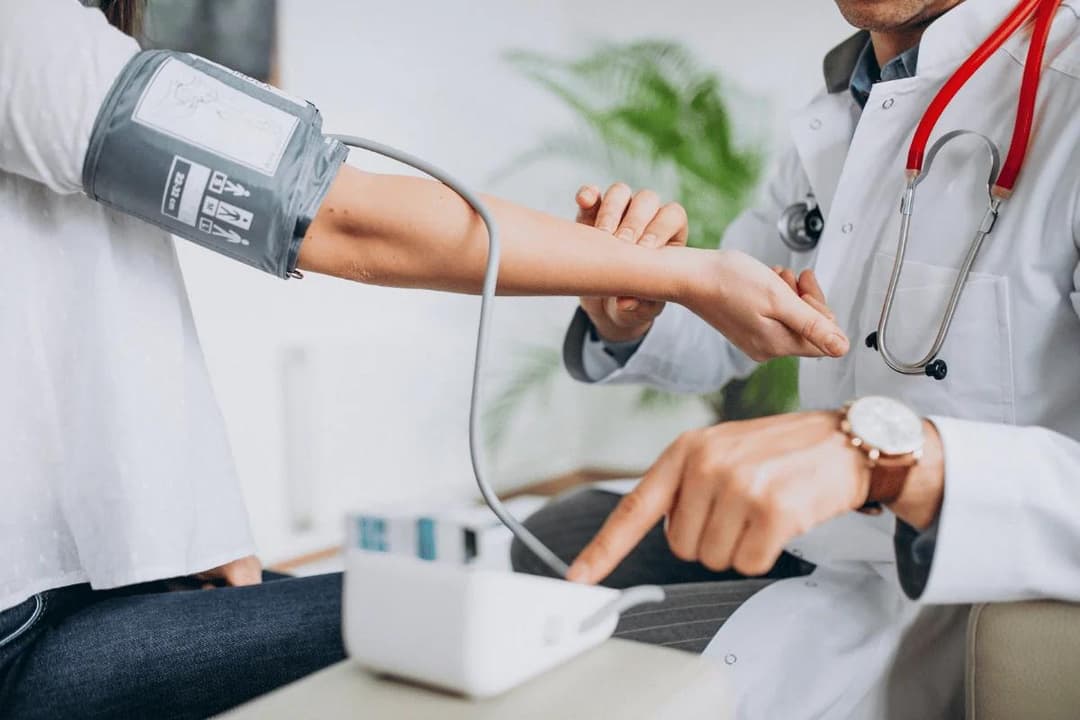
- Connected devices: Patients use connected devices, such as cellular glucometers and cuffs, to capture vitals.
- Cloud-based platform: Data is transmitted to a cloud-based platform for aggregation, analysis, and processing to generate actionable insights that enable timely clinical intervention.
What is Remote Patient Monitoring Used for?
RPM is primarily used as a chronic disease management program.
The common chronic conditions covered under RPM programs include:
- Cardiovascular conditions: They include hypertension, heart failure, and coronary artery disease. You can monitor blood pressure, heart rate, and weight (for fluid retention).
- Diabetes: Covers both Type 1 and Type 2 diabetes. You can monitor blood glucose readings and trends.
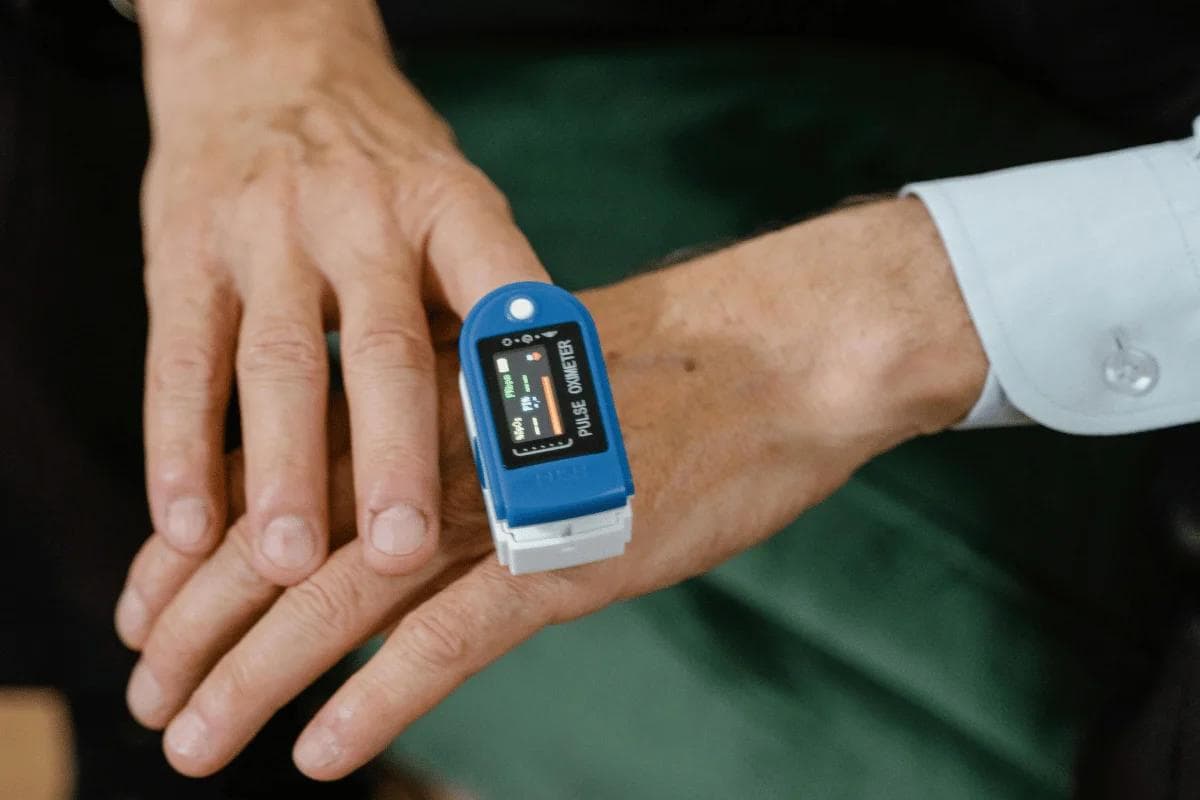
- Respiratory conditions: They include asthma and Chronic Obstructive Pulmonary Disease (COPD). You can monitor oxygen saturation (SpO₂), respiratory rate, and peak flow.
- Chronic kidney disease: RPM helps providers manage complications between visits for CKD and dialysis patients. You can monitor blood pressure, weight, and other metrics.
- Obesity: In this case, RPM is often tied to lifestyle management. You can track weight, blood pressure, and various activity-linked metrics.
Additionally, RPM is used in post-acute and transitional care as well as in the management of neurological conditions like Parkinson’s and multiple sclerosis.
Benefits of Remote Patient Monitoring
Remote Patient Monitoring benefits both providers and patients. Some of the key reasons to consider RPM are:
- Increased visibility into patients’ conditions helps prevent adverse outcomes before they escalate, reducing hospitalizations and readmissions.
- Reduced hospitalizations and readmissions significantly lower the overall cost of care.
Making patients active participants in their healthcare journey helps increase engagement and adherence. - The tools help you address geographic and socioeconomic barriers to healthcare delivery, enabling you to serve rural and/or low-income communities effectively.
Who Qualifies for Remote Patient Monitoring
Generally, patients with chronic or acute conditions that require physiological monitoring qualify for RPM when it is clinically necessary and you, as their provider, order it.
Medicare-covered patients with qualifying chronic/acute conditions are generally eligible for RPM. The program is also reimbursed by many managed care and commercial payers, e.g., Aetna, Cigna, and Blue Cross Blue Shield.
How to Choose the Best Remote Patient Monitoring Software
Your choice of software and hardware, as well as their implementation in your practice, will play a significant role in the RPM program’s success.
These are some of the key considerations when choosing a software platform:
- Senior-friendliness: Because most of the beneficiaries are seniors with varying levels of tech proficiency, you want the platform to be highly intuitive to minimize friction and enhance participation.
- Integrations: The platform should be device agnostic, allowing you to use the devices your patients are already familiar with. Also, it should integrate seamlessly with your existing EHR.
- Escalation protocols: You should be able to tailor escalation protocols to fit seamlessly with your existing workflows. Also, you should be able to set up tiered alerts so your team can quickly address issues that require urgent attention.
- Reimbursement readiness: The platform should automatically capture clinical time and data transmission to ensure you have documentation ready for every billing cycle.
Also, it is essential to get the human element of monitoring right. You can use your own clinical staff, but you may end up spreading them too thin to focus on in-person care.
At KangarooHealth, we help providers solve this problem by availing a virtual team of multi-lingual nurses to help you roll out the high-touch care your patients need.
Further, with KangarooHealth, you get:
- A comprehensive digital health suite that supports both RPM and RTM, as well as other models like Chronic Care Management (CCM) and Principal Care Management (PCM).
- An all-in-one solution that covers over 50 chronic conditions with customizable care pathways.
- Complete implementation support that will see you up and running in weeks, not months.
Contact us today to speak with an expert and learn how we can help you implement RPM and/or RTM in your practice.
Relevant Characteristics Between RTM and RPM
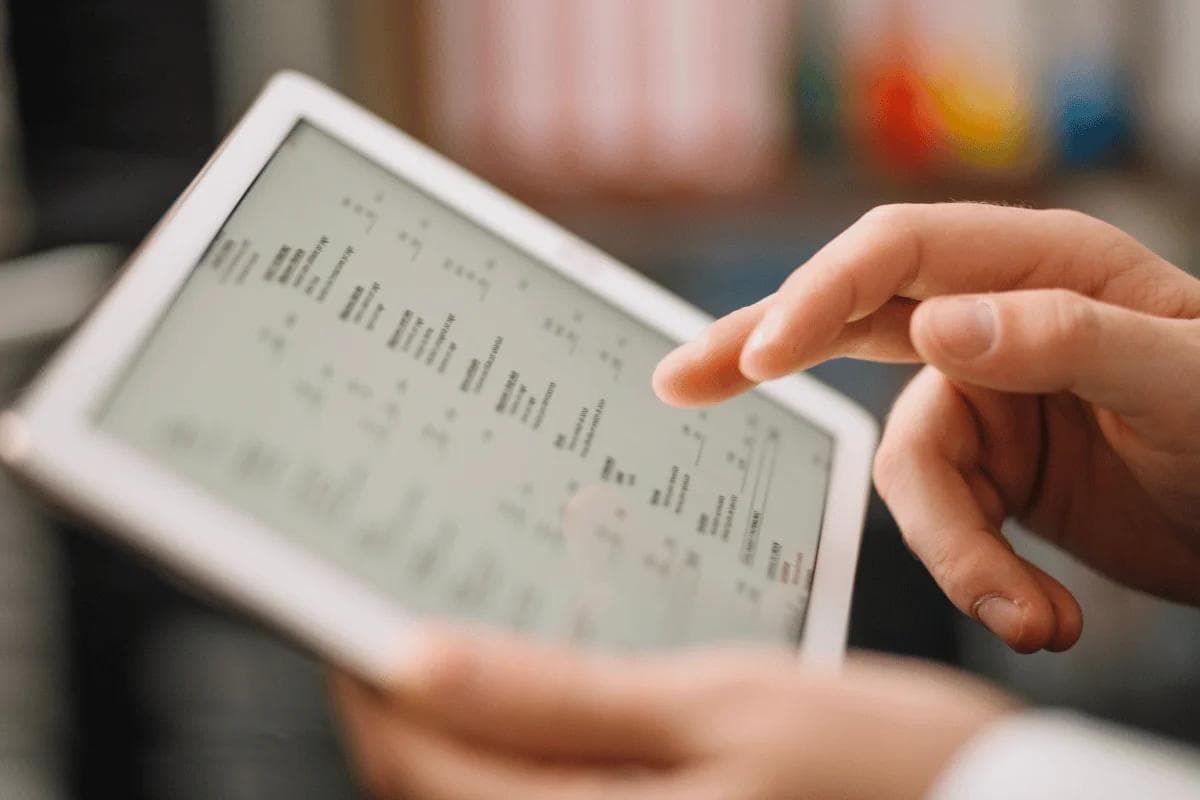
How do RTM and RPM compare when it comes to objectives, program design, and implementation?
Here’s a quick look at these characteristics:
| Column 1 | Column 2 | Column 3 |
|---|---|---|
Aspect | RTM | RPM |
Primary goal | Non-physiological data monitoring to enhance patient engagement and adherence. | Physiological data monitoring to reduce the risk of adverse events and improve overall outcomes. |
Speed of response | Scheduled. | Quick, based on real-time data. |
Level of personalization | Highly personalized. | Protocols are standardized, with responses based on deviations from the norm. |
Dependency on real-time data | Low dependency on real-time data because it is self-reported. | High dependency on real-time transmitted and analyzed data. |
Complexity of implementation | Generally, it is simple to implement. | It is more complex to implement. |
Similarities and Differences
As we’ve established, RPM and RTM are distinct programs with unique characteristics.
Let’s examine how they compare in key areas:
RTM and RPM Differences
RTM and RPM differ in the following ways:
- RPM deals with physiological data while RTM deals with non-physiological data.
- RPM is implemented by MDs, nurse practitioners, and physician assistants. RTM, on the other hand, allows physical therapists and psychologists to bill.
- RPM relies on connected devices to automatically transmit data, while RTM allows patients to self-report data.
RTM and RPM Similarities
RTM and RPM are similar in the following ways:
- The objective of reducing hospitalizations and readmissions is common for both programs.
- Technology-enabled remote data collection is a feature in both programs.
- Both programs use CPT codes to track time spent monitoring.
Can RTM and RPM Work Together?
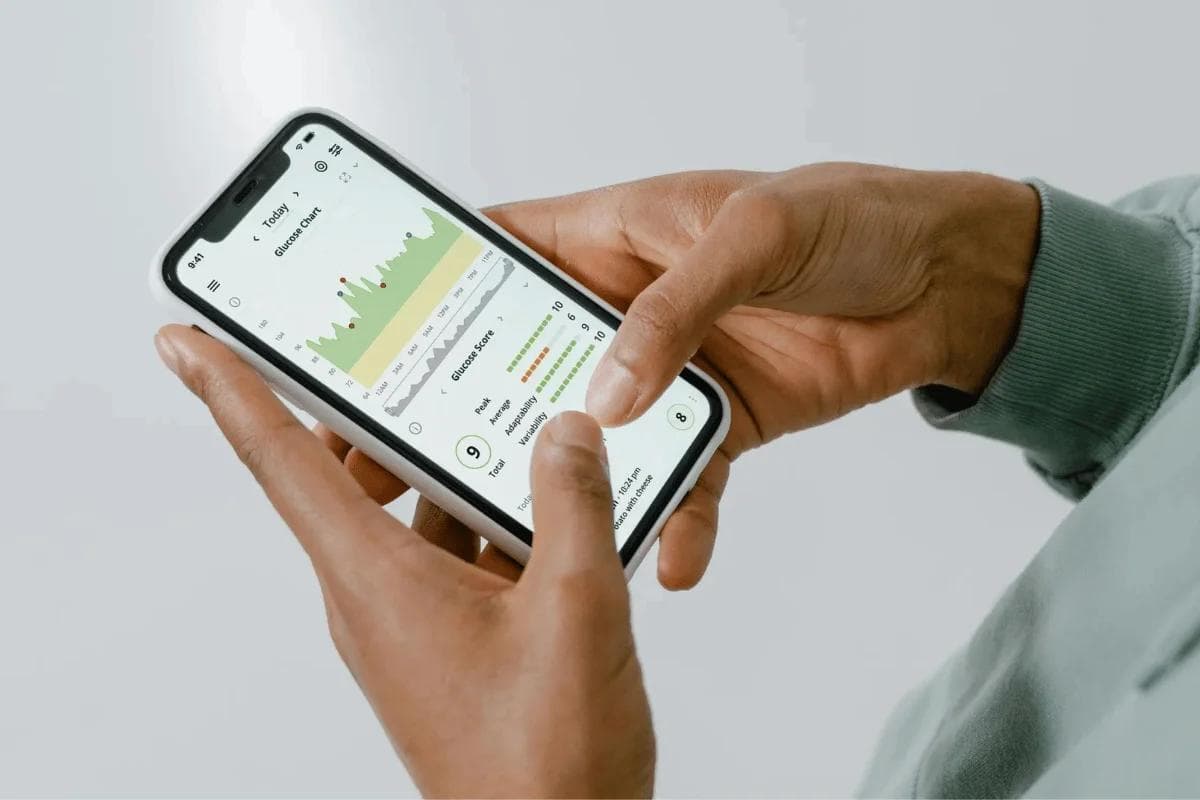
Yes, RTM and RPM can work together in cases where monitoring both physiological and non-physiological data is clinically necessary.
For instance, for a patient with a chronic heart condition, you may use RPM to monitor blood pressure and RTM to facilitate rehabilitation exercises.
However, because you cannot bill for the two programs using the same data, you’ll have to enroll the patient separately in each program. Also, the documented clinical staff time must be separate.
How to Choose Between RTM and RPM
The RTM vs RPM consideration is not an “either-or” decision. The decision to deploy RTM, RPM, or both depends primarily on your patients' needs.
You should consider choosing:
- RPM if you have chronic patients with conditions like diabetes and hypertension that require physiological data monitoring.
- RTM if you provide therapy to patients with musculoskeletal or other conditions where monitoring self-reported non-physiological data is necessary.
- Both RPM and RTM where it is clinically necessary to monitor both physiological and non-physiological data.
The Bottom Line
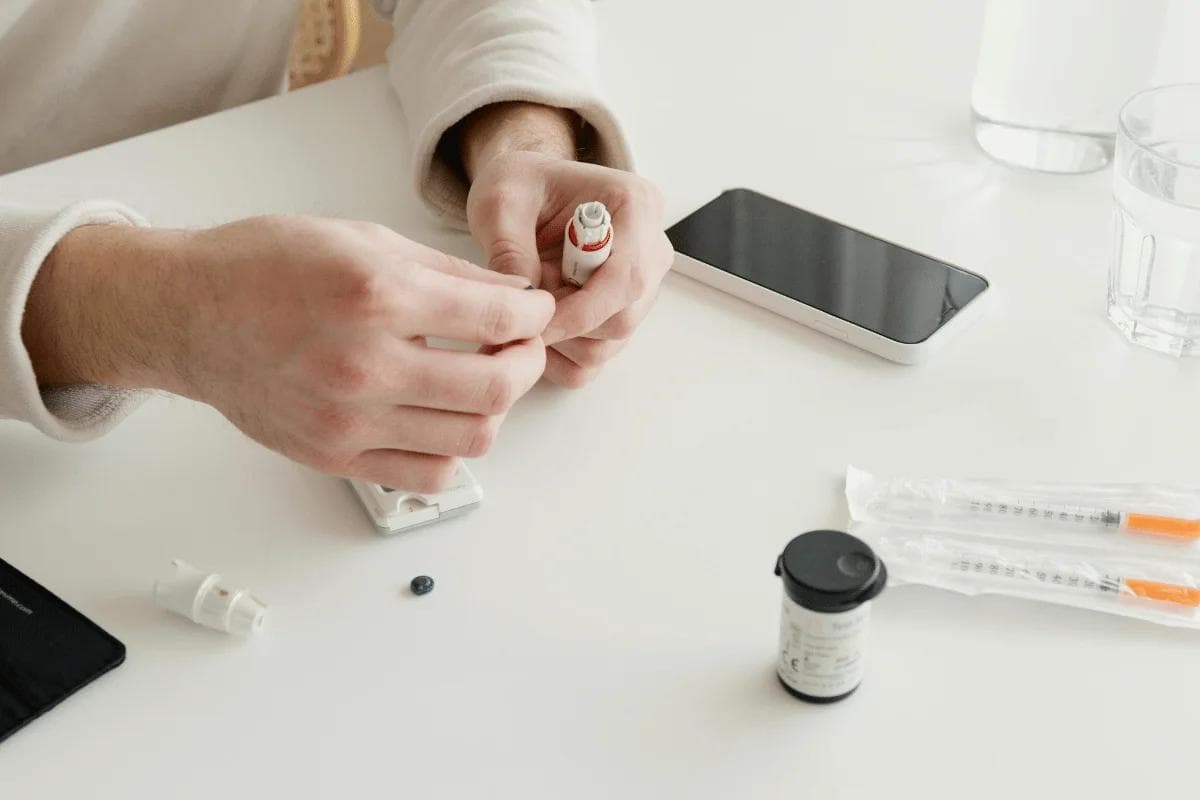
The RTM vs RPM discussion doesn’t mean you have to lock yourself out of either program.
Even if you currently only need RPM or RTM, consider onboarding a tech stack that can comfortably handle the complexities of both workflows. It will help you future-proof your remote patient care goals.
KangarooHealth is an all-in-one remote patient care platform that supports over 50 chronic conditions with customizable care pathways, reducing complexity and eliminating the need for multiple disconnected systems.
We’ve helped numerous providers across the nation roll out high-impact value-based care programs, including RPM and RTM. We also support Chronic Care Management (CCM), Principal Care Management (PCM), Advanced Primary Care Management (APCM), and Guiding an Improved Dementia Experience (GUIDE).
Contact us today to learn how we’ve helped more than 13,500 people through our clinical monitoring services.
Frequently Asked Questions (FAQs)
Looking for more information about RTM vs RPM? Let’s answer some of the commonly asked questions:
Who is Remote Therapeutic Monitoring Best Suited for in Healthcare?
RTM is best suited for providers who want to track their patients’ functional and behavioral data.
Some of the specialists who will find it valuable include physical therapists, occupational therapists, speech-language pathologists, and providers who have patients with chronic respiratory conditions.
Does RPM Require Historical Data to Be Effective?
No, you do not need prior months’ data to run RPM effectively.
You can establish a baseline as soon as you start tracking physiological data.
Can Small Teams Implement RTM Without Heavy Infrastructure?
KangarooHealth helps you implement RTM and RPM without a heavy upfront investment. We’ll provide a customizable platform and handle device procurement and distribution on your behalf.
Also, we provide clinical support services so you don’t have to hire additional staff.
How Do RTM and RPM Affect Data Governance Policies?
The programs must be HIPAA-compliant.
To protect customer data, you and the software vendor must implement proper escalation paths and guard data access using encryption, role-based access, and other measures.

Dr. Xiaoxu Kang
AuthorAs CEO and Founder of Kangaroohealth, Dr. Kang is a healthcare innovator with nearly two decades of experience in healthcare and 20+ national and international awards. She received her PhD and medical training from Johns Hopkins University.Dr. Kang, CEO and Founder of Kangaroohealth, is a healthcare innovator with nearly two decades of experience. She has received over 20 national and international awards. Dr. Kang completed her PhD and medical training at Johns Hopkins University.